Building in Sevenoaks: A Guide to Site Preparation & Foundation Costs in 2026
If you’re planning a self-build, development project or new home in 2026, understanding the cost

The short answer is that there is no universal figure.
The overall investment required for site preparation and foundations depends on several key factors, including:
A relatively flat, accessible plot with good ground conditions will usually require less groundwork than a site with poor access, unstable soil or contamination concerns.
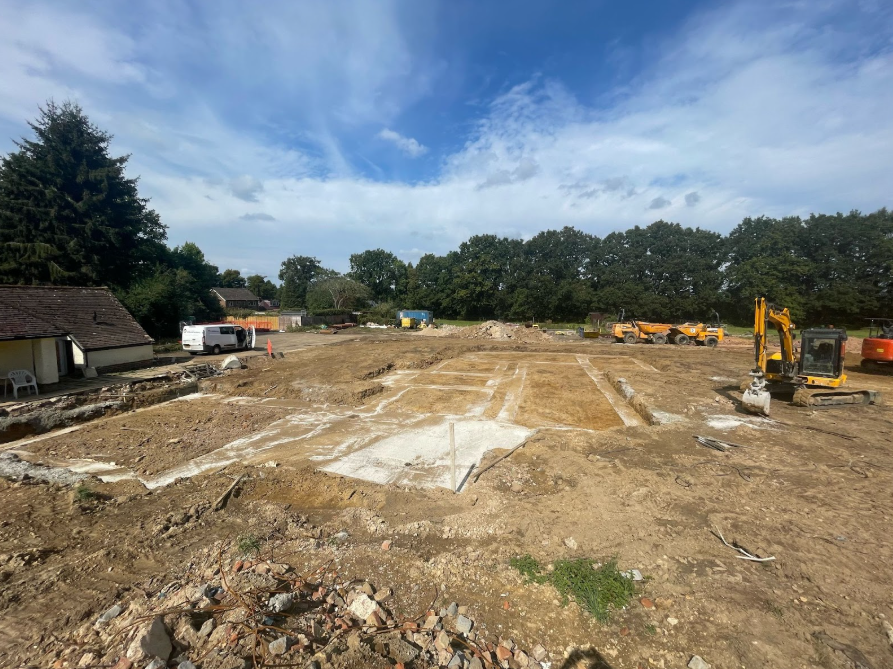
Many first-time self-builders underestimate how much work takes place before concrete is even poured.
Construction site preparation creates a stable, safe and compliant environment for the build that follows. Skipping important investigations or rushing early stages can lead to delays, redesigns and unexpected expenditure later.
Typical groundwork preparation may include:
For larger projects, professional groundworks services often begin months before foundation installation starts.
Foundation requirements vary significantly from one project to another.
The condition of the soil is often one of the biggest influences on foundation design.
Clay, chalk, made ground, high groundwater levels and areas with previous development can all require additional engineering input.
This is why site investigations and geotechnical surveys are recommended before finalising structural designs.
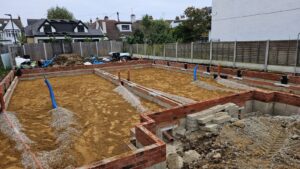
Different foundation systems suit different ground conditions.
Common options include:
Each option involves different labour, material and excavation requirements.
You can learn more about foundation solutions through our foundations services.
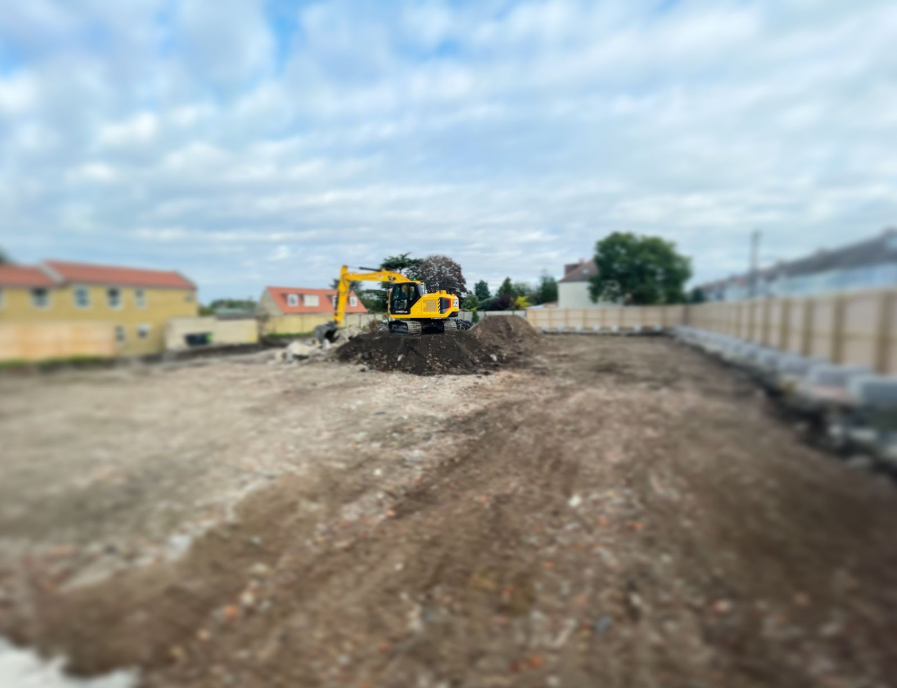
Excavation depth and volume can vary significantly depending on site conditions and engineering specifications.
Deeper excavations typically require more labour, machinery and material removal.
Projects involving significant earthmoving may also require specialist bulk excavation services.
Most project budgets account for excavation and foundations. However, several additional items are often overlooked.
These may include:
Ground investigations help identify risks before work begins.
They may reveal:
Drainage design and installation can become a significant element of early-stage construction.
Poor drainage planning is one of the most common causes of project delays.
Our article on drainage and groundwork problems affecting new builds explores this in greater detail.
Excavation frequently generates large volumes of surplus soil, hardcore and spoil.
Removing and processing these materials forms an important part of site clearance planning and can influence overall project budgets.
Bringing services to a site can involve trenching, infrastructure works and coordination with utility providers.
Connection requirements vary significantly between plots.
One of the most significant unknowns on previously developed land is contamination.
Historic industrial activity, fuel storage, demolition materials and buried waste can all create challenges during construction.
Where risks are identified, specialist assessment and remediation may be required before building work can proceed.
Our contaminated land remediation services support projects where environmental concerns need to be addressed before development begins.
Early investigation is often far less disruptive than discovering problems after excavation has started.
Choosing the right foundation system depends on engineering requirements, ground conditions and building design.
Often suitable where ground conditions are stable and loads are relatively straightforward.
They remain one of the most commonly used options for residential construction.
Raft foundations distribute loads across a larger area and may be considered where ground conditions are less favourable.
Where poor ground conditions exist, piling may provide the necessary structural support.
These systems typically involve specialist equipment and engineering design.
These can reduce on-site labour requirements by using concrete to fill deeper excavations.
The most suitable solution should always be determined through professional engineering advice.
While no contractor can eliminate every variable, there are ways to improve budget accuracy and reduce risk.
The more information available before construction begins, the fewer surprises are likely to emerge during groundwork operations.
Ground conditions and excavation findings do not always match expectations.
Building contingency into your budget provides greater flexibility.
Professional surveys help identify drainage issues, access challenges and potential engineering constraints before work starts.
Experienced groundwork contractors can identify practical challenges early and help develop realistic project programmes.
Learn more about South East Groundworks and our approach on our About Us page.
The timeline varies according to project complexity.
Factors affecting duration include:
Simple residential plots may progress relatively quickly, while larger developments often require extensive preparation before foundation work can begin.
Before committing to a site, consider asking:
These questions can help reveal potential risks before they affect your budget.
Site preparation can include clearance, excavation, drainage installation, utility planning, access works, surveys and foundation preparation.
Yes. Soil type, stability and groundwater conditions often influence foundation design and construction methods.
Where possible, yes. Site investigations help identify potential challenges that may affect development viability.
In many cases it can, provided appropriate assessment and remediation measures are carried out before construction begins.
Drainage influences excavation, foundation design and overall site performance. Addressing it early helps reduce project risks.
Understanding the cost of site preparation and foundation work is one of the most important steps in planning a successful build. While every project is different, early investigations, realistic budgeting and professional advice can help reduce uncertainty and improve project outcomes.
If you’re assessing a development site or planning a new build, exploring professional groundworks services can help you understand the practical requirements before work begins.
If you’re planning a self-build, development project or new home in 2026, understanding the cost
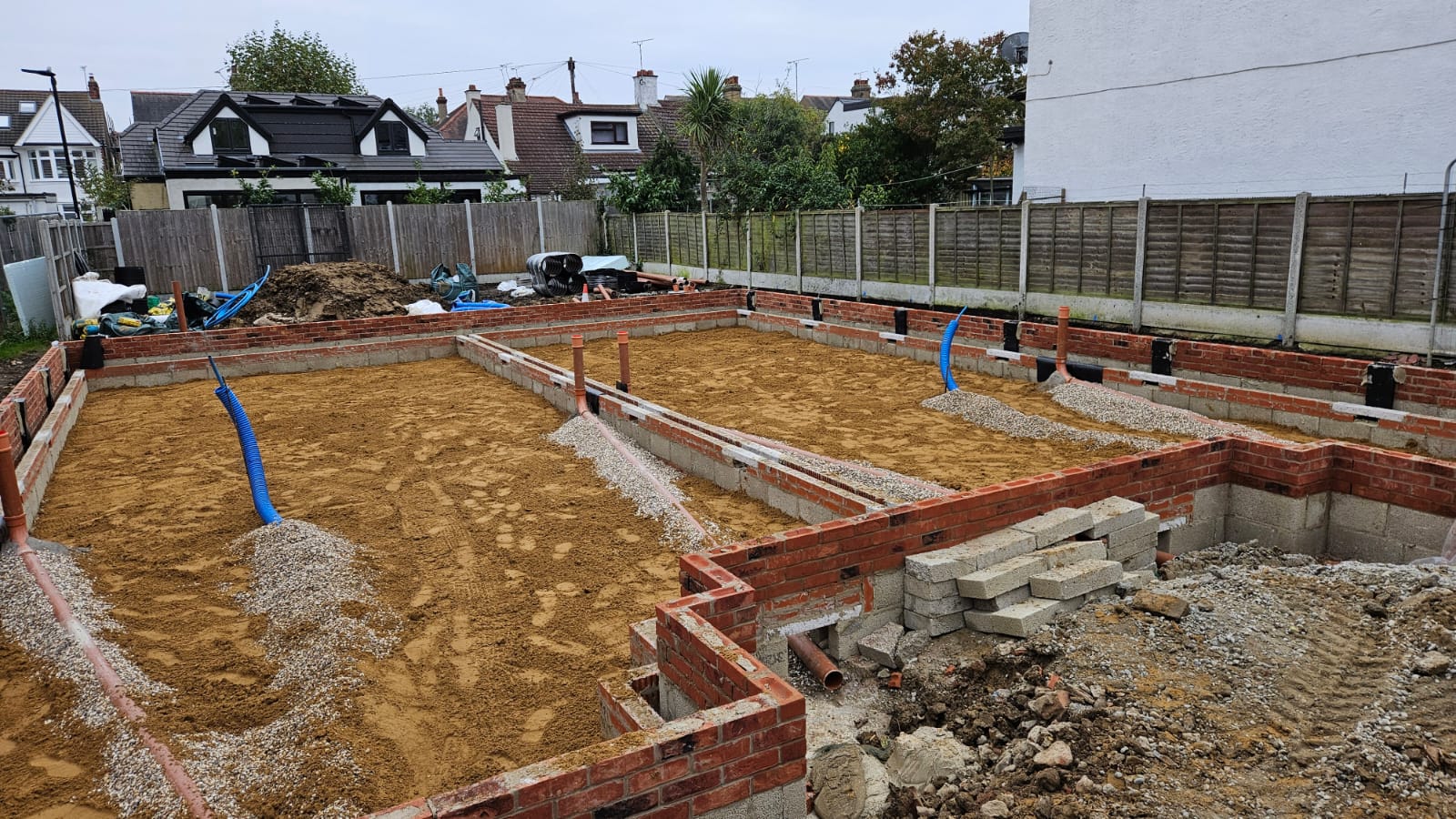
Drainage and groundwork problems are among the most common reasons new build projects fall behind