5 Common Drainage & Groundwork Problems That Delay New Builds (and How to Avoid Them)
Drainage and groundwork problems are among the most common reasons new build projects fall behind

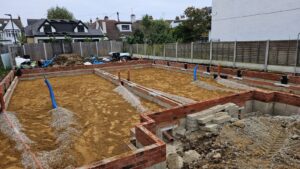
Drainage and groundwork problems are among the most common reasons new build projects fall behind schedule. Poor site drainage, unsuitable ground conditions, delayed utility connections, restricted access and unmanaged slopes can all stop construction before foundations, roads or services are ready.
The best way to avoid these issues is to identify them early. A proper site assessment, clear drainage strategy, coordinated enabling works and experienced groundwork contractors can help prevent costly delays before they affect the build programme.
Most groundwork delays happen because hidden site risks are not dealt with early enough. Waterlogged ground, unstable soil, unclear utility routes, poor access and level changes should be reviewed before construction starts.
For developers, the key preventative steps are:
Check ground conditions, drainage routes, levels, access and existing services before finalising the construction programme.
Surface water and foul drainage must be considered alongside levels, roads, utilities and foundation preparation.
Keeping site preparation, drainage, foundations, access roads and utility trenches aligned reduces miscommunication and rework.
Poor site drainage can delay excavation, foundation preparation, road formation and utility installation. Standing water softens ground, increases the risk of collapse in trenches and can make machinery access unsafe.
This is especially important on new build and commercial groundworks projects where drainage needs to meet planning requirements, environmental expectations and long-term site performance standards. Current UK SuDS guidance encourages surface water management to be considered at the earliest stages of site appraisal and design.
Drainage should be planned before major excavation begins. This may involve temporary drainage during construction, permanent drainage installation, culverts, attenuation features, soakaways or coordinated SuDS measures.
Developers should also make sure drainage design is reviewed alongside levels, roads, foundations and service routes. Treating drainage as a separate afterthought often creates avoidable construction drainage issues.
For projects needing planned drainage works, see South East Groundworks’ drainage services.
Unsuitable ground conditions can cause serious groundwork delays. Soft ground, made ground, clay, chalk, contamination, tree influence or unexpected obstructions can all affect foundation depth, excavation requirements and structural design.
If these issues are only discovered once machinery is on site, the project may need redesigns, additional excavation, imported material, revised foundation specifications or further engineer input.
The safest approach is to carry out ground investigations early and share findings with the engineer, architect, builder and groundwork contractor. Foundation preparation should be based on site-specific conditions, not assumptions.
NHBC guidance for new homes reinforces the importance of technical standards for foundations, substructure and drainage, particularly where ground conditions affect design.
For developers preparing build-ready plots, South East Groundworks provides foundation preparation and installation as part of wider groundwork packages.
Utility installation delays are often caused by poor coordination. Gas, water, electricity, telecoms and drainage connections all need routes, depths, access points and timings confirmed before trenches are opened.
When service routes clash with drainage, foundations, roads or retaining structures, the site can quickly become congested. This can lead to rework, backfilling delays and disruption to other trades.
Plan drainage and utility connections together. Service trenches should be sequenced around the wider construction programme, not arranged in isolation.
A coordinated groundworks contractor can help prepare trenches, manage levels and reduce clashes between drainage, services, access roads and foundations.
This is where early-stage site preparation and enabling works can make a major difference.
Poor access can delay almost every stage of a new build project. If plant, delivery vehicles, concrete wagons or utility contractors cannot reach the correct area safely, the programme can stall before the main build even begins.
Access problems are common on tight plots, sloped sites, rural developments, commercial yards and phased new build projects.
Access should be planned as part of the enabling phase. Temporary roads, haul roads, turning areas, compounds and delivery routes should be considered before excavation starts.
For larger schemes, civil engineering and road infrastructure planning should sit alongside drainage, foundations and utilities. This helps prevent delays caused by poor sequencing or restricted movement.
Sloped sites can create drainage, stability and access problems if they are not planned properly. Water may run towards excavations, soil may need retaining, and foundation levels may require careful setting out.
Without the right retaining wall solutions, slope stabilisation or excavation plan, the project may face extra costs and delays before construction can continue safely.
Sloped sites need early review of levels, drainage and retaining requirements. Retaining walls for sloped sites should be designed and sequenced before major excavation begins.
This may include reinforced retaining structures, drainage behind walls, stepped access routes and careful coordination with foundation design.
South East Groundworks covers retaining wall solutions as part of wider groundworks support.
Before construction begins, developers and project managers should confirm:
Ideally, a groundwork contractor should be involved before the construction programme is fixed. Early input can help identify issues with access, drainage, excavation, foundations, utility trenches and site levels before they become delays.
This does not mean every detail needs to be finalised. It means practical site risks can be reviewed early enough to inform the build schedule, budget and sequencing.
South East Groundworks supports developers with groundworks, drainage installation, foundations, bulk excavation, enabling works, utility connections, access road construction and infrastructure groundwork services across Kent and the South East.
You can also read what clients say about working with the team on the reviews and testimonials page.
The most common problems include poor site drainage, unstable ground, delayed utility connections, restricted site access, unsuitable foundation conditions and unmanaged level changes.
Yes. Waterlogged ground can make excavations unsafe, affect trench stability and delay concrete pours. Drainage should be planned before foundation preparation begins.
Utility delays often happen when service routes, connection points or provider timings are not coordinated early enough. This can lead to clashes with drainage, roads or foundations.
Not always, but sloped sites often need retaining structures, drainage measures or adjusted excavation plans. A professional assessment is needed before deciding the right solution.
Start with early site investigations, plan drainage and utilities together, confirm access routes, review ground conditions and involve experienced groundwork contractors before construction begins.
Most drainage and groundwork problems can be managed when they are identified early. The risk increases when drainage, access, utilities, foundations and site preparation are treated as separate tasks instead of one coordinated package.
If you are planning a new build, commercial development or infrastructure project, South East Groundworks can help review the groundwork requirements before delays become expensive. Start with early site preparation and enabling works to give your project a safer, clearer route forward.
Drainage and groundwork problems are among the most common reasons new build projects fall behind